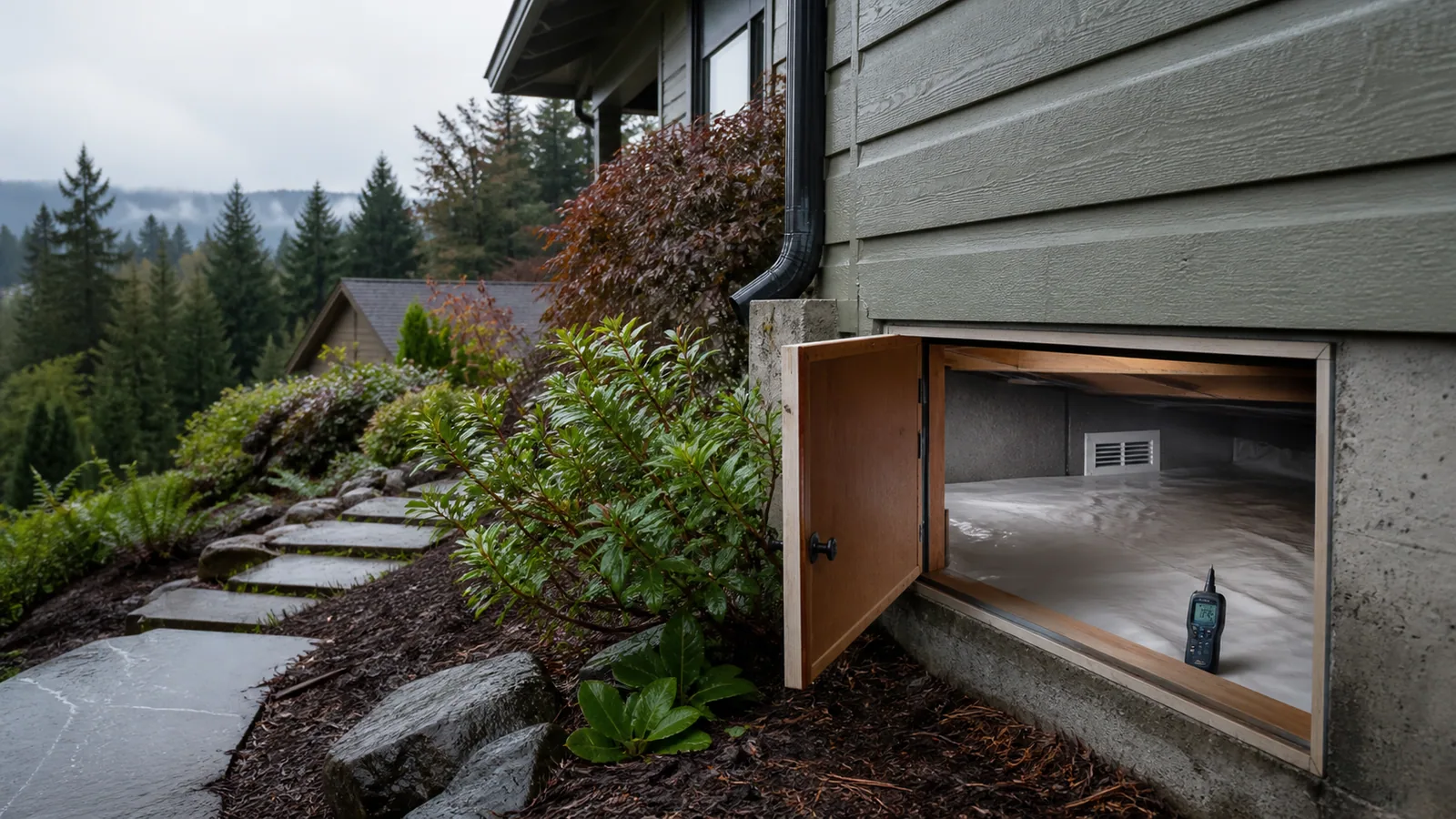
Crawlspace Water in Battle Ground: Drainage Diagnosis First
How to document standing water, distinguish plumbing from runoff, and avoid moving the problem into a storm drain or neighboring lot.
Source-reviewed homeowner guide
Quick takeaways
- ✓Document rain and fixture timing.
- ✓Do not enter electrically hazardous water.
- ✓Confirm a legal discharge point.
- ✓Measure performance after repair.
Start with rain, fixtures, and location
Record whether water appears during rain, after a specific fixture runs, or through dry periods. Photograph the crawlspace access, wet boundaries, pipes, insulation, ground cover, foundation vents, exterior downspouts, grade, and nearby inlets. A single visit after a storm may show the symptom but not the source.
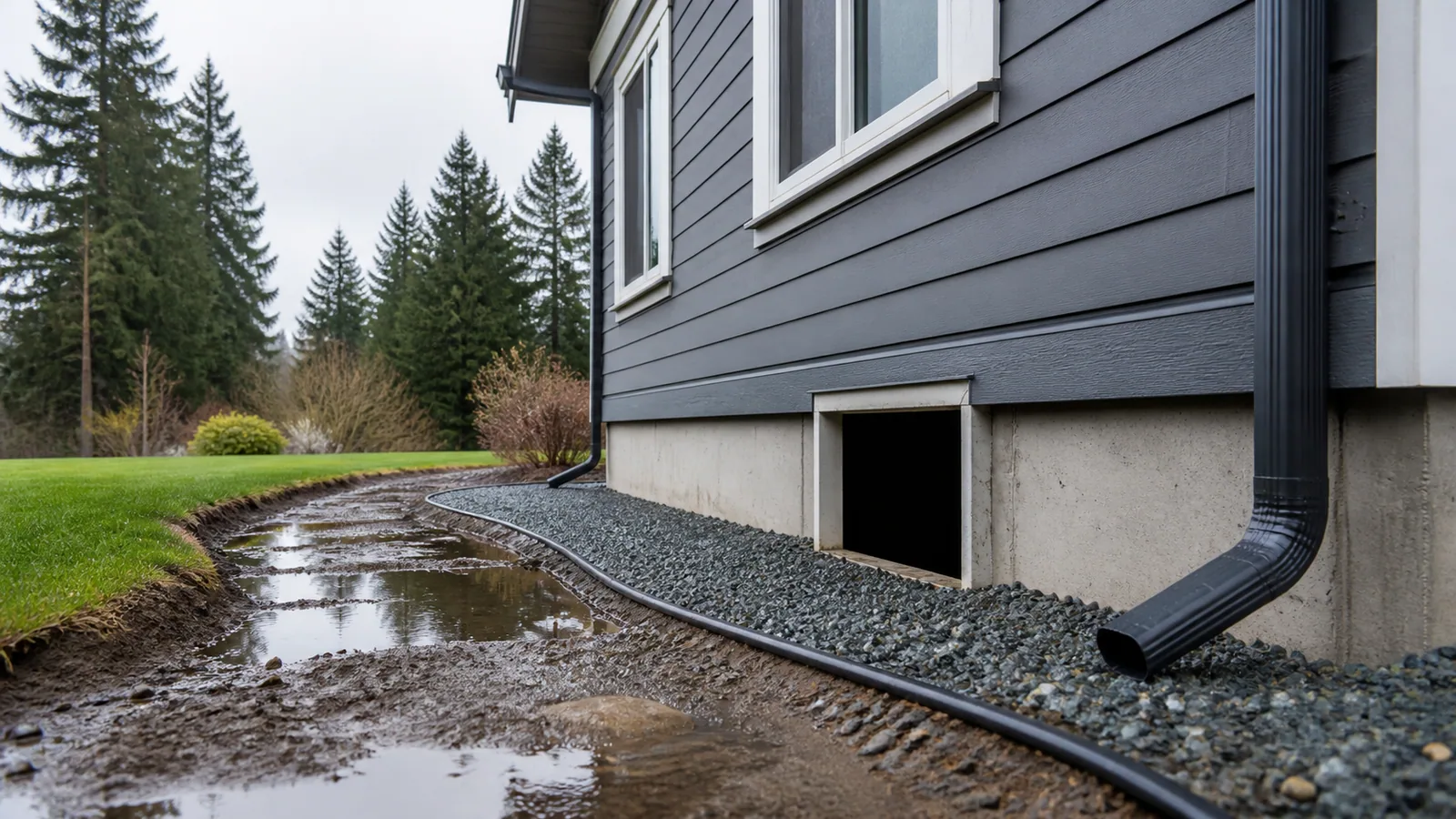
Battle Ground’s stormwater program exists to manage drainage and environmental protection. That means a private fix needs an allowed outlet; pumping dirty crawlspace water or sediment into a street drain without approval is not a responsible shortcut.
Know when not to enter
Do not enter standing water with electrical wiring, sewage, unstable supports, animals, unknown chemicals, or too little safe clearance. Shut off affected utilities only when you can do so without entering the hazard. Call emergency or utility contacts for public water, sewer, or stormwater emergencies as appropriate.
Visible mold is also not the first problem to solve. Health guidance prioritizes fixing leaks and moisture, drying materials, and improving appropriate ventilation.
Test the least disruptive explanation first
A plumber can pressure-test or inspect supply and drain clues. Exterior work begins with gutters, downspouts, grading, swales, and approved inlets. Condensation requires review of ducts, insulation, air leakage, and ventilation. Document evidence before excavation or full encapsulation.
A sump pump may be one part of a designed solution, but it needs a basin, power, alarm or backup considerations, service access, and a legal discharge. It does not repair a broken supply line or a disconnected downspout.
Request a measurable scope
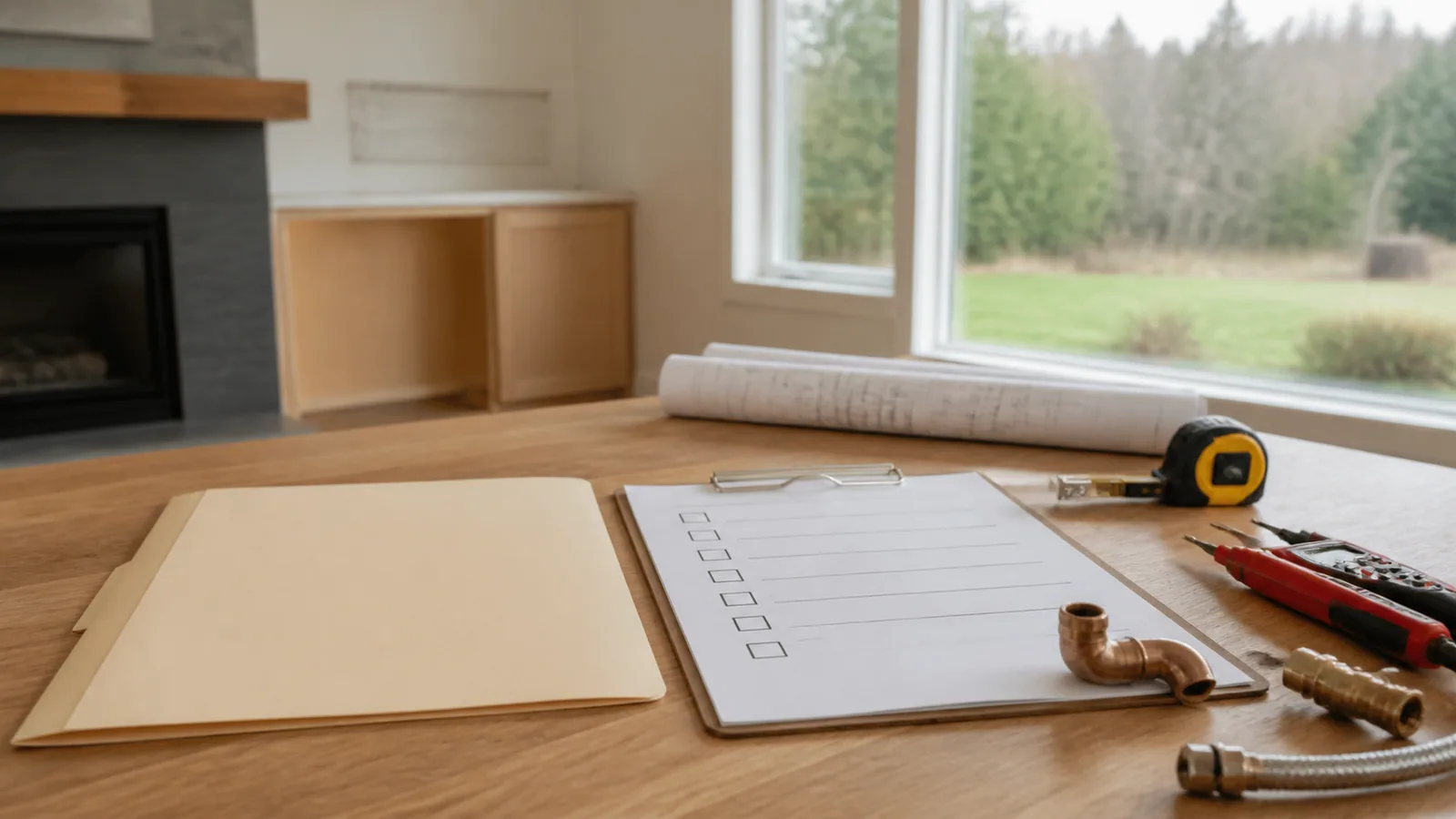
Ask for source findings, water-control path, materials, permits, electrical work, discharge, restoration, maintenance, and how success will be checked during rain. Across West Main, the SR 503 corridor, central Battle Ground, and outer neighborhoods, parcel drainage differs; the proposal must be address-specific.
Homeowner questions
Can crawlspace water go into the street drain?+
Do not assume so. Water quality, sediment, private connections, and discharge rules must be checked with the responsible jurisdiction.
Will encapsulation stop an exterior leak?+
Not by itself. Exterior runoff or plumbing failures must be corrected; enclosure work then manages the intended indoor environment.
When should I call a plumber?+
When moisture follows fixture use, continues in dry weather, the meter moves with fixtures off, or a supply/drain leak is visible.
What makes a sump-pump proposal complete?+
It should cover basin, pump capacity, power, check valve, alarm or backup, outlet, freeze protection, service access, permit needs, and maintenance.
Primary sources
Official requirements can change. Confirm the current rule for your address and project with the named authority.