Frozen Pipes in Vancouver, WA: Prevention and First Response
A winter checklist for hose bibs, crawlspaces, garages, vacant homes, and the first safe steps when a faucet stops flowing.
Source-reviewed homeowner guide
Quick takeaways
- ✓Disconnect hoses before freezing weather.
- ✓Know and clear access to the main shutoff.
- ✓Never thaw a pipe with open flame.
- ✓Correct the exposure that caused the freeze.
Where a short cold spell finds weak points
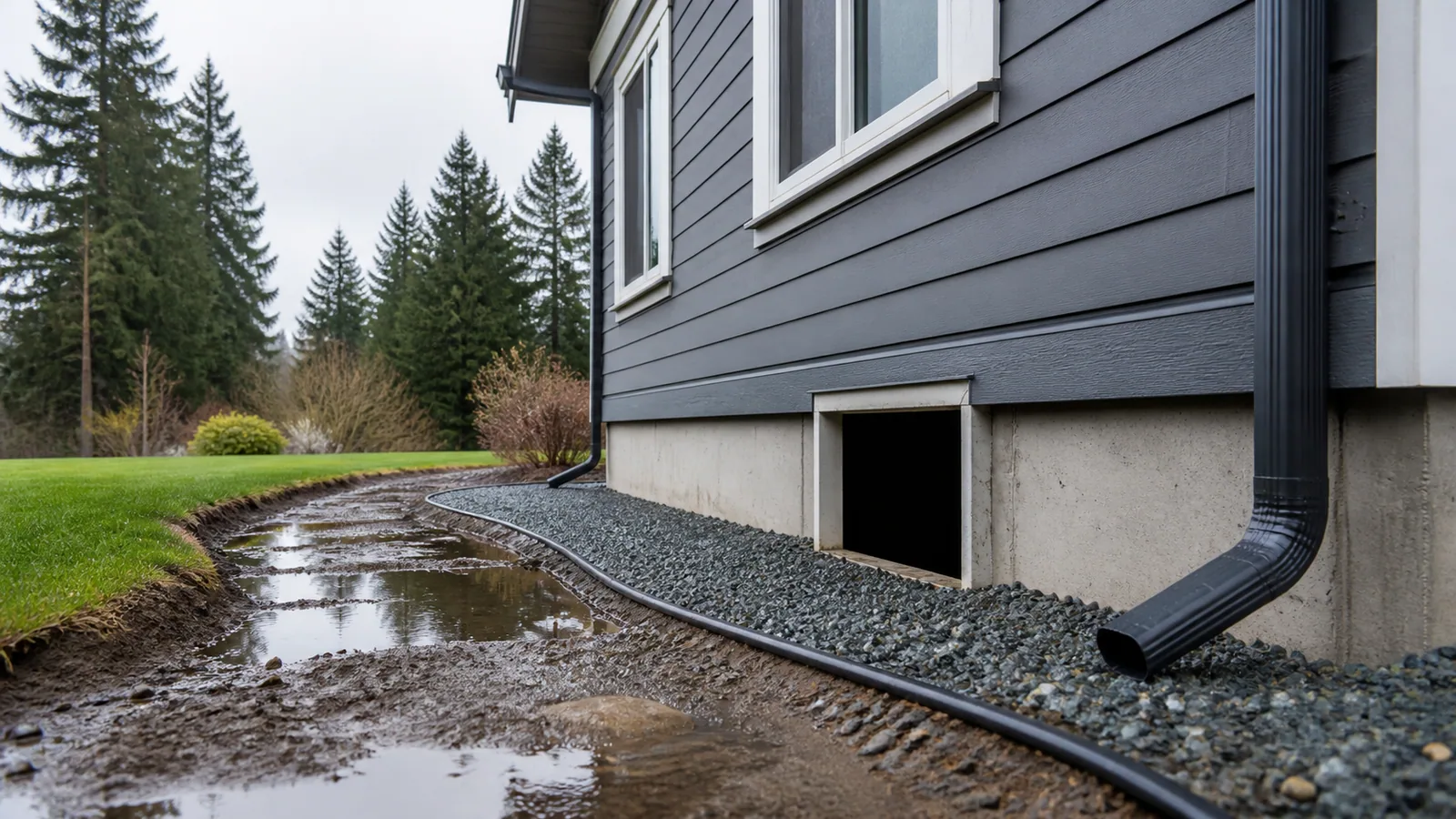
Southwest Washington does not need a long deep freeze to expose a vulnerable pipe. Exterior hose bibs, lines in unheated garages, shallow crawlspaces, cabinet plumbing on exterior walls, and vacant homes with reduced heat deserve attention first. Wind exposure and insulation gaps matter more than a neighborhood label, so inspect the actual route of each water line.
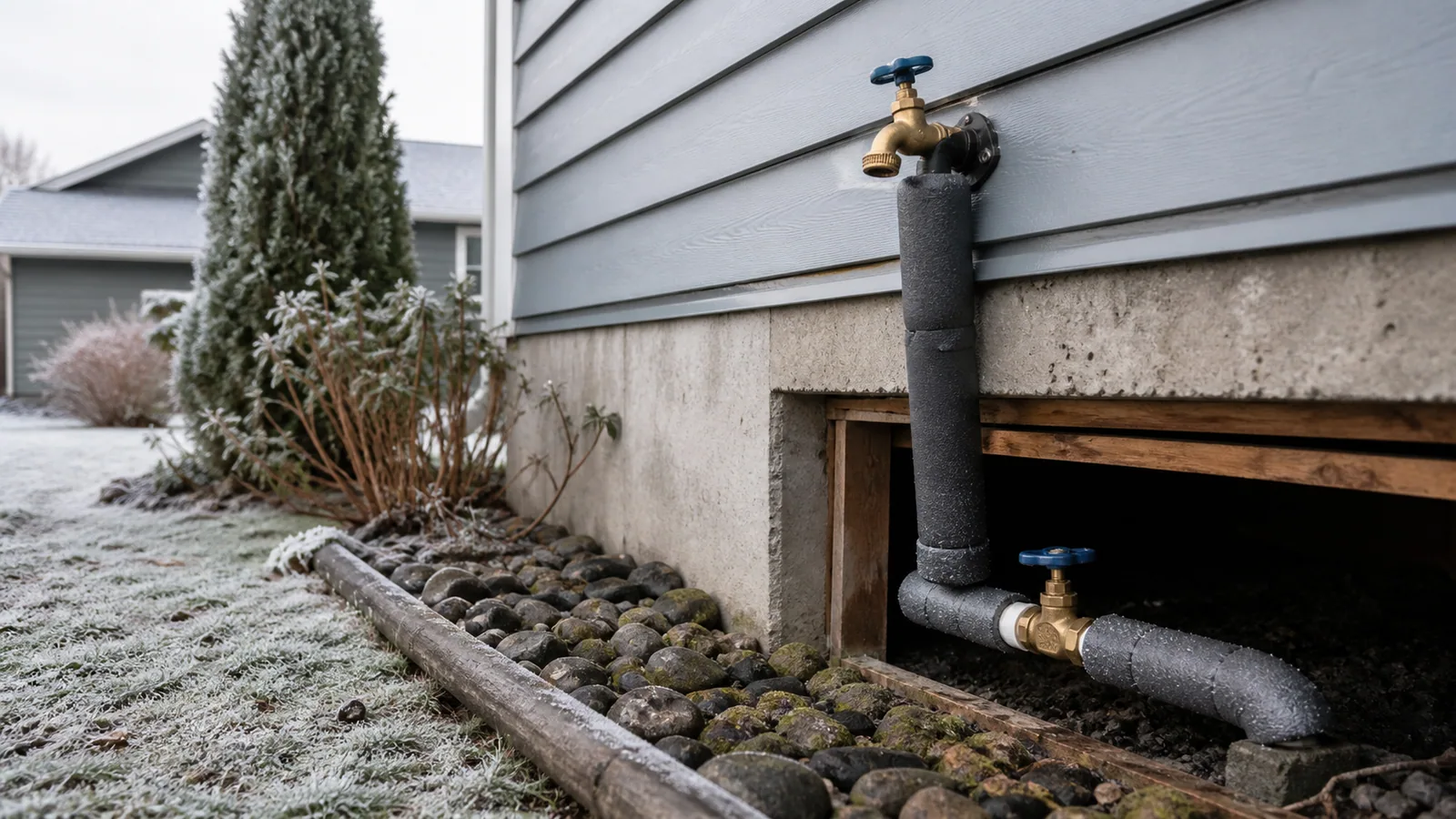
Before cold weather, disconnect hoses, close and drain dedicated exterior shutoffs where the system provides them, cover appropriate hose bibs, seal air leaks near pipes without blocking required ventilation, and keep the home heated consistently. Know the main water shutoff and make sure it can be reached without tools buried in a garage.
If a faucet stops flowing
Treat a stopped faucet during freezing weather as a warning, not proof of the exact freeze point. Open the faucet slightly, inspect accessible pipe runs for bulges or splits, and check whether other fixtures have water. Never use an open flame, torch, or improvised high-heat device. Controlled warming must protect combustible materials and wiring.
If you see a split or water begins escaping as the pipe thaws, close the main shutoff and call a plumber. Keep people away from wet electrical equipment. Photograph the affected route before insulation or drywall is removed; the record helps define restoration work and an insurance conversation.
Crawlspace and vacant-home priorities
A crawlspace should not be heated with an unattended portable heater. Have a professional correct missing insulation, damaged pipe wrap, disconnected foundation vents or other enclosure defects in a way that matches the home. For a vacant or travel-period home, arrange reliable heat, access for a local contact, and a clear shutdown plan rather than relying only on a smart thermostat alert.
Prevent the repeat
After the emergency, ask why the line froze. Repairing only the split leaves the next vulnerable section unchanged. The proposal should identify air leakage, insulation, pipe placement, exterior fixture details, and any code or permit implications. Keep the main-shutoff location, plumber contact, and photographs in a simple home emergency note.
Homeowner questions
Should I leave a faucet dripping all winter?+
No blanket rule fits every plumbing system. First correct exposure and insulation issues; use temporary cold-event steps recommended for your specific home.
Can I thaw a pipe with a torch?+
No. Open flame can ignite framing and insulation, damage the pipe, and create a serious fire and carbon-monoxide hazard.
Why did only one faucet stop?+
The frozen section may serve only that branch, but a blocked faucet does not identify the exact freeze point. Inspect the accessible route and other fixtures.
When should I close the main water valve?+
Close it when a pipe has split, water is escaping, or thawing cannot be monitored safely. If uncertain, call a plumber promptly.
Primary sources
Official requirements can change. Confirm the current rule for your address and project with the named authority.