Attic Air Sealing near La Center, WA: A Dry, Ventilated Insulation Plan
Plan an attic upgrade around moisture, ceiling air leaks, ventilation and safe access before paying to add another layer of insulation.
Source-reviewed homeowner guide
Quick takeaways
- ✓Identify the thermal boundary and attic design.
- ✓Fix moisture and assess suspect materials first.
- ✓Document air sealing before covering it.
- ✓Specify ventilation, access, hatch and product details.
Establish the attic type and existing condition
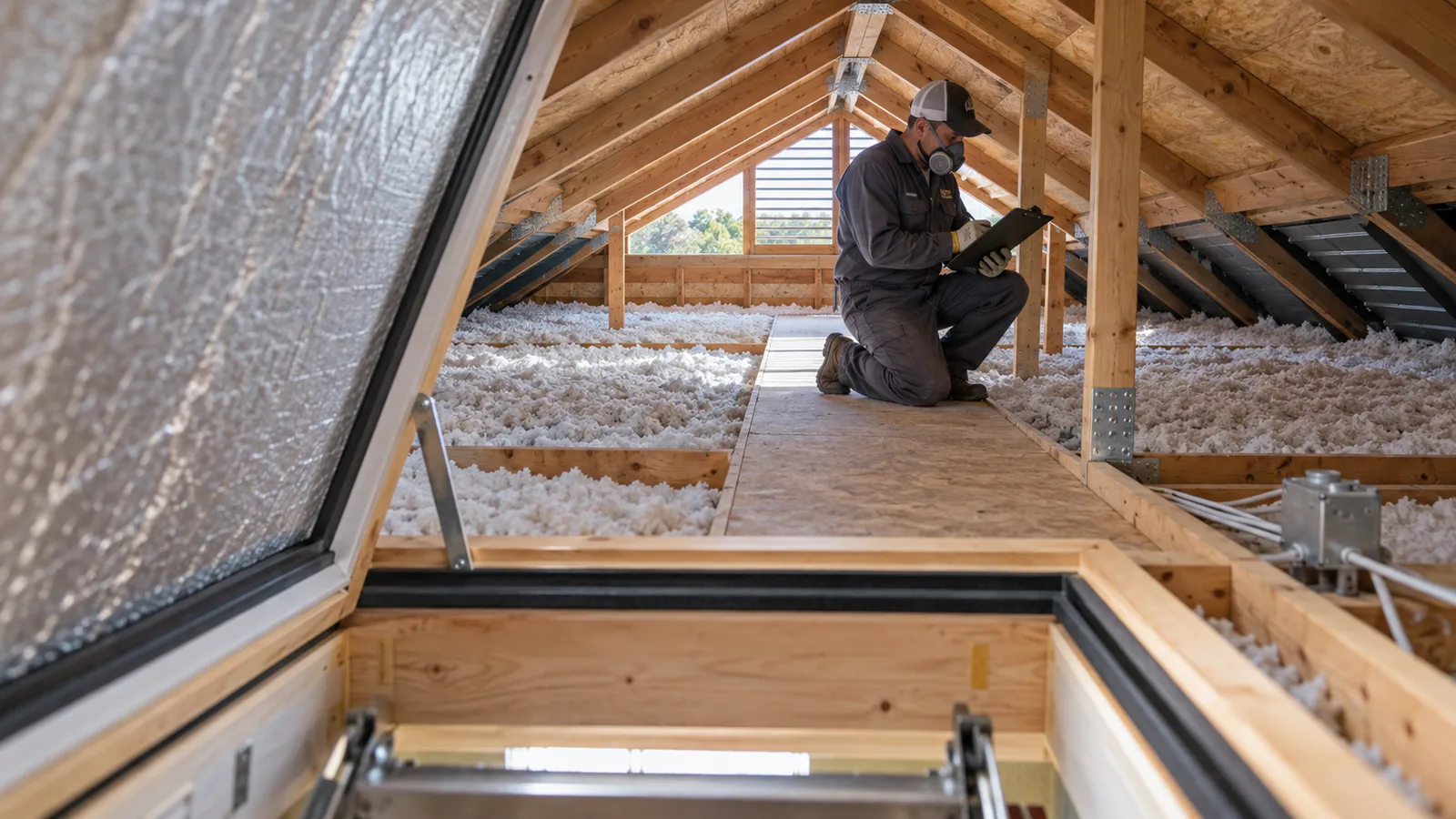
A cold bedroom or drafty hallway can prompt an insulation quote, but begin with the roof assembly and the boundary between indoor and outdoor space. Is the attic vented above insulation on the ceiling, or is the roofline part of a designed conditioned assembly? The scope for one cannot be copied into the other. Ask the assessor to record insulation type and condition, visible water staining, the hatch, ventilation openings, ducts and equipment. Avoid climbing into a space without a suitable access and walking surface.
For a house near La Center Road or the East Fork Lewis River, provide the actual address and describe additions, previous insulation work and rooms that feel uncomfortable. Rural acreage and a city mailing address do not establish the same permit jurisdiction. Keep observations specific: which room, which weather and whether there is visible moisture. A contractor should explain the finding that justifies the proposed work rather than treating every cold room as proof that the attic needs a particular depth of new material.
Resolve moisture and unsafe materials before covering them
Department of Energy guidance for durable attics connects roof condition, air sealing, insulation and ventilation. Have active leaks and unintended exhaust discharges assessed before adding insulation. Stained wood, damp material or a disconnected bathroom duct needs an assigned repair scope and a documented check. New insulation can conceal the evidence without fixing the source. For a vented attic, the plan should preserve the designed air paths rather than pack material into every opening at the eaves.
EPA advises leaving vermiculite insulation undisturbed because it may contain asbestos. If that material is present or suspected, stop plans to rake, vacuum or blow through it and arrange appropriate professional evaluation before any disturbance. The same preliminary survey should identify unsafe wiring, damaged fixtures, pests and access hazards that affect the job. Quote those issues separately and agree on the sequence. Ordinary insulation work should not become an unplanned hazardous-material removal or electrical repair.
- •Vented or conditioned assembly identified
- •Water and exhaust defects assigned for repair
- •Existing insulation and suspect materials assessed
- •Safe service platform and access planned
- •Ventilation openings protected
Specify air sealing before adding the insulation layer
Insulation and air sealing perform different jobs. The provider should identify accessible leakage paths at the ceiling boundary, including the hatch and permitted penetrations, and explain the suitable sealing method for each. Request photographs before the new layer hides that work. Chimneys, flues, recessed lights and electrical equipment have product-specific clearances and protective details; ordinary foam or caulk should not be improvised around them. Assign any electrical changes to the relevant qualified professional.
The written proposal should name the insulation product, target thermal performance appropriate to the actual assembly, coverage, installation method, eave details and hatch treatment. Ask how existing material is retained or removed, how service access remains available and how ventilation baffles are used where the design needs them. Avoid comparing quotes only by bags or inches: products, settlement, existing conditions and missing areas change the result. Include room protection, dust control, cleanup and a process for unexpected defects.
Document the finished assembly and compare comfort afterward
At handoff, ask for the installed product information, coverage notes, photographs of sealed areas and confirmation that required access and ventilation remain available. The hatch should close, seal and remain usable. If diagnostic testing was included, keep the method and before-and-after results with the report. A claim of a fixed percentage reduction in heating bills cannot be established from insulation depth alone; weather, occupancy and equipment operation also affect use.
Observe the original rooms through comparable cool weather and record comfort or moisture changes. Persistent condensation, uneven temperature or a roof leak needs follow-up diagnosis. A useful La Center request includes the address, attic type if known, access dimensions, existing material, photos, moisture observations and the desired outcome. Verify applicable contractor credentials and confirm permits for any related alterations. The completed job should leave a dry, documented assembly that future roofers, electricians and remodelers can understand without undoing the work.
Plan the next step
Continue with a relevant local service, named request or supporting guide.
Discuss the La Center home-improvement scope →
Coordinate attic work with any related construction and trade repairs.
Discuss an accessible attic-hatch repair →
Describe hatch access and seals; confirm the provider’s relevant experience.
Separate drafts from exterior water entry →
Review another part of the home’s air and moisture boundary.
Verify the insulation or remodel contractor →
Check credentials, written exclusions and project documentation.
Homeowner questions
Can more insulation fix a roof leak?+
No. Repair the water source and assess affected materials before adding a layer that could conceal the damage.
Should a vented attic be sealed at the soffit openings?+
Do not block the designed ventilation path. Air sealing at the conditioned-space boundary and attic ventilation are different parts of the assembly.
What if the existing insulation is vermiculite?+
Leave it undisturbed and arrange appropriate professional evaluation before work that would disturb it, following EPA precautions.
What belongs in the final report?+
Product and coverage details, air-sealing photos, hatch and ventilation notes, access information and any agreed diagnostic results.
Primary sources
Official requirements can change. Confirm the current rule for your address and project with the named authority.