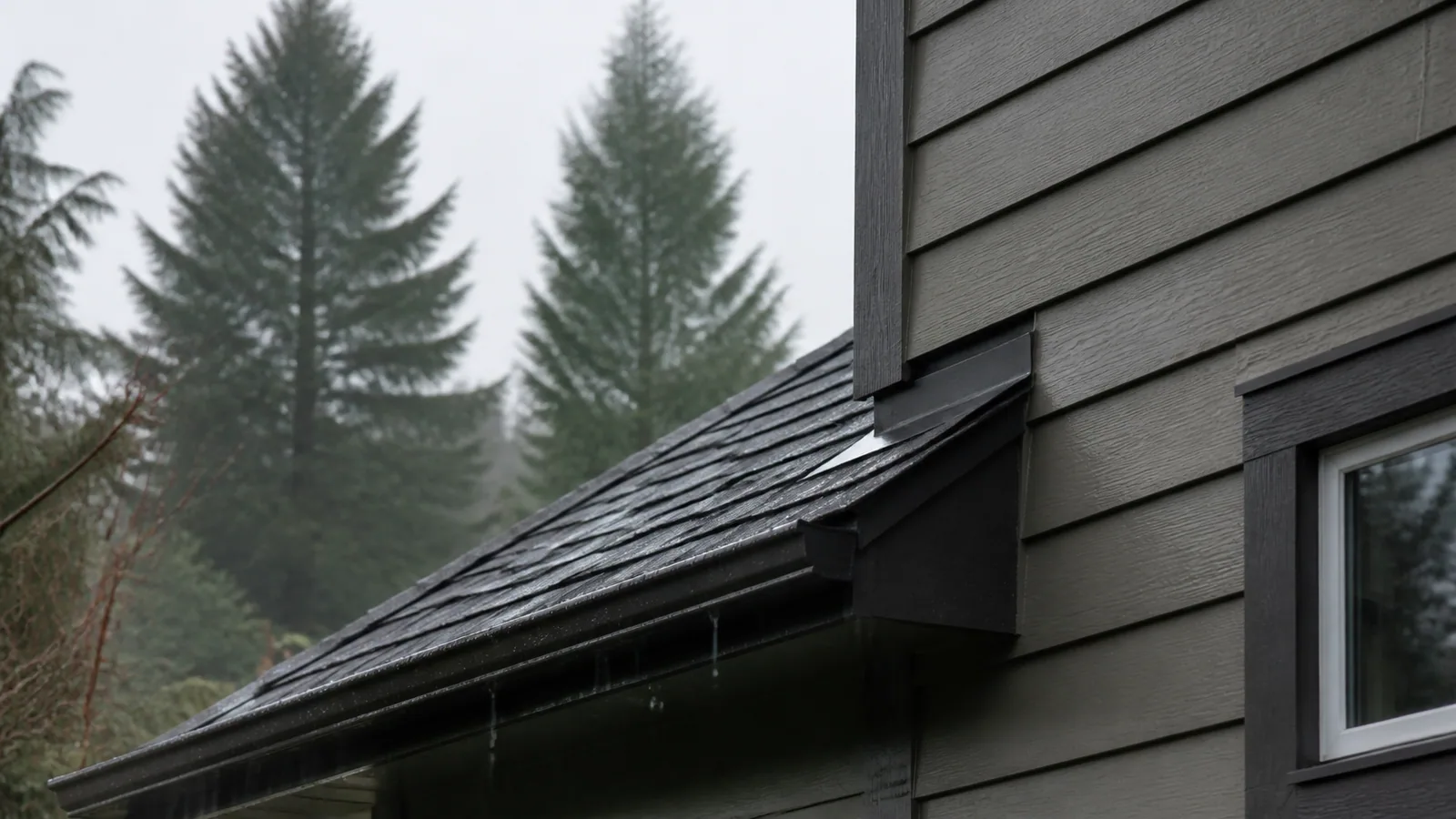
Ridgefield Spring Remodels: A Home Permit and Bid Checklist
Plan reroofing, siding, conversions, decks, and interior updates with a clear permit owner, inspection path, and written scope.

Source-reviewed homeowner guide
Quick takeaways
- ✓Confirm permit status for the address.
- ✓Compare bids against one scope.
- ✓Verify registration and trade credentials.
- ✓Do not conceal work before required inspections.
Classify the project before collecting bids
A cosmetic project and a code-regulated alteration need different plans. Ridgefield’s 2026 homeowner guidance lists examples that generally require permits, including reroofing or siding, a garage or attic conversion, covered additions, larger sheds, and lawn sprinklers. Same-size windows or doors, painting, cabinets, countertops, low unattached decks, and some fences may fall into permit-not-required examples, but address-specific conditions still control.
Write the desired result room by room. Identify structural, plumbing, mechanical, and electrical parts rather than calling everything a handyman job. Electrical permitting follows the responsible authority and should be confirmed separately.
Put permit ownership in the estimate
The quote should name who prepares drawings, applies, pays fees, answers corrections, schedules inspections, and closes the permit. Ridgefield uses an online process and warns homeowners to verify when a contractor says no permit is needed. An open or missing permit can affect later work and a sale.
Ask each bidder to use the same scope: demolition, protection, disposal, substrate repair, fixtures and model numbers, finish level, change-order rules, schedule assumptions, and cleanup. A low number with major exclusions is not a comparable bid.
Verify the business and the trade
Confirm the contractor’s active Washington registration, bond, insurance, and business identity through L&I. For regulated electrical or plumbing work, verify the appropriate contractor and tradesperson credentials. Ridgefield guidance also points to city licensing. Match the name on the estimate, registration, permit, and payment instructions.
Do not treat a marketplace profile, review count, or verbal claim as a credential check. Save the verification record with the signed scope.
Schedule around inspections, not optimism
Material delivery and dry weather help, but inspection dependencies decide when walls can close and finishes can begin. Build a sequence for demolition, rough work, inspections, corrections, insulation or waterproofing, close-up, and final inspection. Keep a contingency for concealed damage and require written approval before cost or scope changes.
Homeowner questions
Does interior painting require a building permit?+
Ridgefield lists painting among examples that generally do not require one, but related structural, plumbing, mechanical, or electrical work may.
Who should apply for the permit?+
The written agreement should assign responsibility. Verify the applicant matches who is legally responsible for the work and inspections.
Is the lowest remodel bid the best value?+
Not necessarily. Compare identical scope, exclusions, credentials, materials, inspection duties, schedule, warranty, and change-order terms.
Can drywall close before inspection?+
Not when a required rough inspection is still open. Confirm approval before concealing regulated work.
Primary sources
Official requirements can change. Confirm the current rule for your address and project with the named authority.