Drywall Cracks in a New Ridgefield Home: Document, Diagnose and Repair
A Ridgefield guide to documenting nail pops, seam cracks and texture changes before builder warranty or independent drywall repair.
Source-reviewed homeowner guide
Quick takeaways
- ✓Document before patching
- ✓Do not label every crack as settlement
- ✓Fix moisture or movement before finish work
- ✓Approve a texture sample before repeating repairs
Name the symptom before calling it settlement
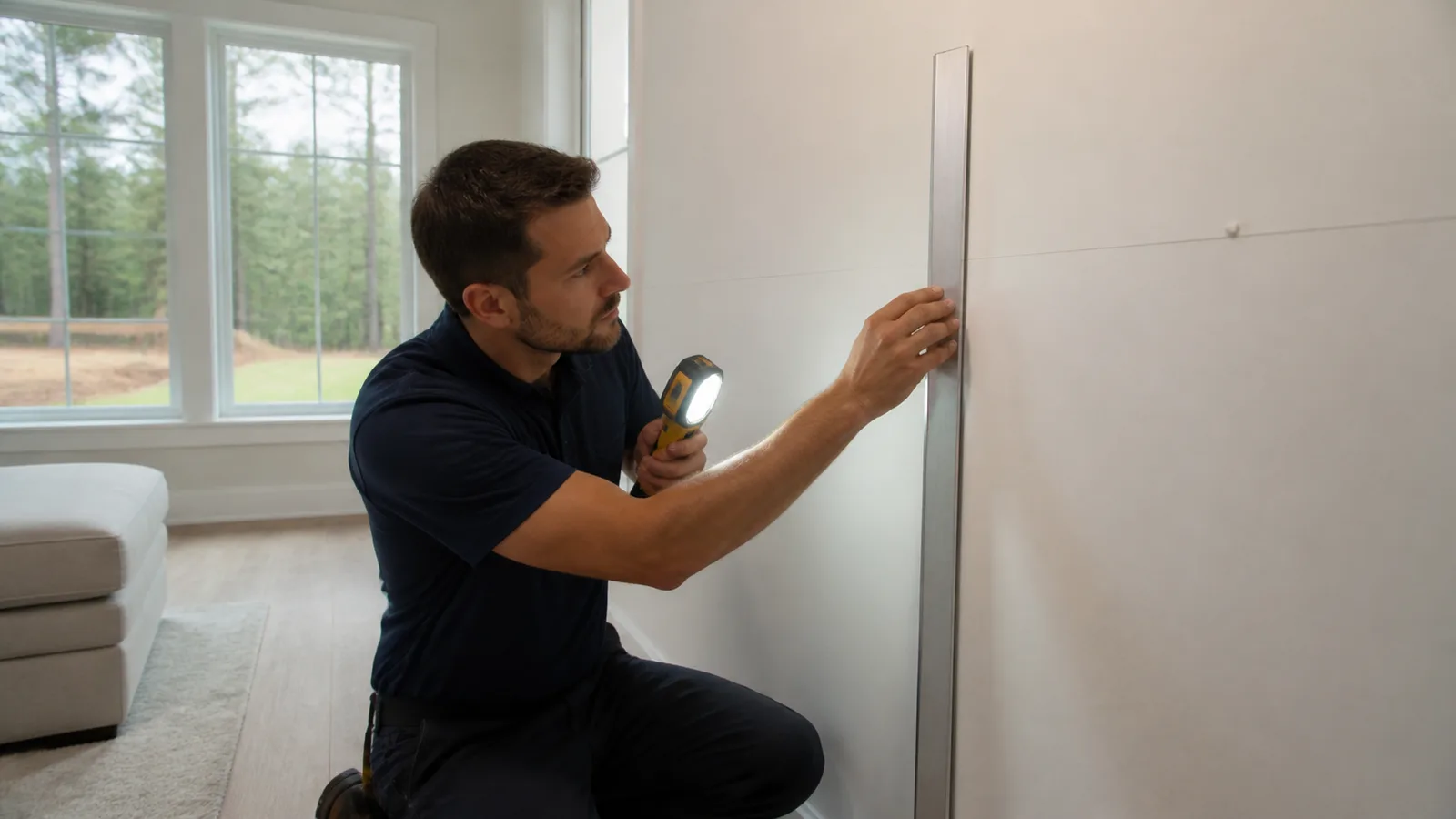
A thin line at a drywall joint, a raised fastener, a corner-bead crack and a gap at trim are different symptoms. Photograph the full wall and a close view with a ruler, then record the room, date and weather or indoor-humidity change. Newer Ridgefield neighborhoods such as Pioneer Canyon and Seven Wells contain many recently completed homes, but age alone does not diagnose the cause. The repair should follow evidence, not a generic statement that every crack is normal.
Look for patterns without opening the wall. One isolated nail pop can be a finish issue; repeated fastener movement, diagonal cracking from openings, sticking doors, sloped floors or exterior drainage changes deserve broader evaluation. A brown edge, soft board or musty odor points toward moisture first. Do not let a cosmetic patch close over an active leak, unsafe wiring or a structural question that has not been evaluated.
Build a dated record before the first patch
Create a simple room log with wide photos, close photos, measurements and the date first observed. Mark changes on a copy of the floor plan if several rooms are involved. Include doors or windows that bind, recent plumbing work, attic access, roof leaks and major indoor-humidity swings. Do not draw directly on the wall if the builder needs to inspect the original condition. Save email, portal submissions and appointment notes in one folder.
Review the purchase agreement and builder warranty rather than relying on a neighbor’s coverage. Notice procedures, required forms, response periods and exclusions differ. Report the symptom in plain language and ask for a written inspection finding: what moved, why the proposed repair is appropriate, what finish will be restored and what is excluded. This article is practical planning information, not legal advice or a promise that a particular condition is covered.
- •Wide and close photographs with scale
- •Room, wall orientation and first-observed date
- •Length, width and whether the mark is changing
- •Nearby doors, windows, plumbing and moisture signs
- •Builder notice, inspection response and proposed repair
Separate finish repair from root-cause work
A durable drywall repair may require resetting fasteners, opening loose tape, adding appropriate backing, replacing damaged board, applying joint compound in stages, matching texture, priming and painting beyond the small patch. The visible line is only the final layer. Ask whether the estimate includes furniture protection, dust control, texture samples, primer and repainting to a natural break. Fresh patch compound without primer can flash through the finish coat.
If moisture caused the damage, identify and repair the roof, plumbing, flashing, ventilation or drainage source first and verify that the cavity is ready to close. If movement appears structural, use the appropriate qualified professional before a finisher hides the evidence. Drywall contractors and painters solve finish systems; they should not be asked to certify foundations or framing outside their scope. Put the handoff between trades in writing.
Coordinate inspections and concealed work
The City of Ridgefield handles building permitting for city projects, and Clark County publishes typical inspection sequences for new homes and remodels in its jurisdiction. A surface repair may not require a permit, while work that changes framing, fire-resistance assemblies, insulation, electrical or plumbing can trigger other requirements. Ask the correct jurisdiction before walls are closed, because an inspector cannot verify concealed work after a finished patch.
Keep permit responsibility separate from warranty responsibility. A builder agreeing to a cosmetic repair does not automatically decide whether another scope needs a permit. Likewise, an independent contractor should state which work is covered by the quote and which underlying condition remains with the builder or another trade. If the home is attached or governed by an association, confirm whether the affected wall is part of a shared or rated assembly.
Approve a sample before repeating the repair
Texture matching is judged across a field, not only at arm’s length from a wet patch. Ask for one representative repair or sample when many rooms share the same finish. View it after drying, priming and painting under daylight and room lighting. Exact invisibility is not always realistic, especially with strong side light, but the acceptable blend area and repaint boundary should be discussed before a crew repeats the method throughout the house.
For an independent quote, provide the photo log, ceiling height, texture type, number of locations, paint information, furniture access and builder findings. Verify the applicable Washington contractor registration for construction scope and keep the registration number with the bid. KABLAY does not determine warranty coverage; it helps homeowners describe evidence clearly and compare qualified local repair scopes.
Plan the next step
Continue with a relevant local service, named request or supporting guide.
Drywall professionals in Ridgefield, WA →
Prepare a local drywall request after documenting the symptom.
Describe nail-pop and seam repair →
Use a named task page and add texture, paint and moisture details.
Ridgefield drainage checks for newer homes →
Rule out site water when cracks appear with moisture or drainage changes.
Homeowner questions
Are drywall cracks normal in every new Ridgefield home?+
No blanket statement diagnoses a specific home. Record the pattern and related symptoms, then use the builder or an appropriate professional to identify the cause.
Should I repair a crack before contacting the builder?+
Usually document the original condition and review the written notice procedure first. A premature patch can remove evidence the builder needs to inspect.
When is a crack more than a finish issue?+
Repeated movement, diagonal patterns, sticking openings, floor change, moisture or many locations can justify broader evaluation before cosmetic work.
What belongs in a drywall-repair quote?+
Ask for cause assumptions, board and fastener work, taping, texture, dust protection, primer, paint boundary, cleanup and exclusions.
Primary sources
Official requirements can change. Confirm the current rule for your address and project with the named authority.