Rain Leaks and Mold in Vancouver, WA: A Practical Home Checklist
How to separate a roof, plumbing, drainage, or ventilation problem before wet-season damage spreads through walls and crawlspaces.
Source-reviewed homeowner guide
Quick takeaways
- ✓Trace timing before opening finishes.
- ✓Stop active water and isolate electrical hazards.
- ✓Fix the moisture source before cosmetic work.
- ✓Document scope and credential checks in writing.
Why the first stain is not always the source
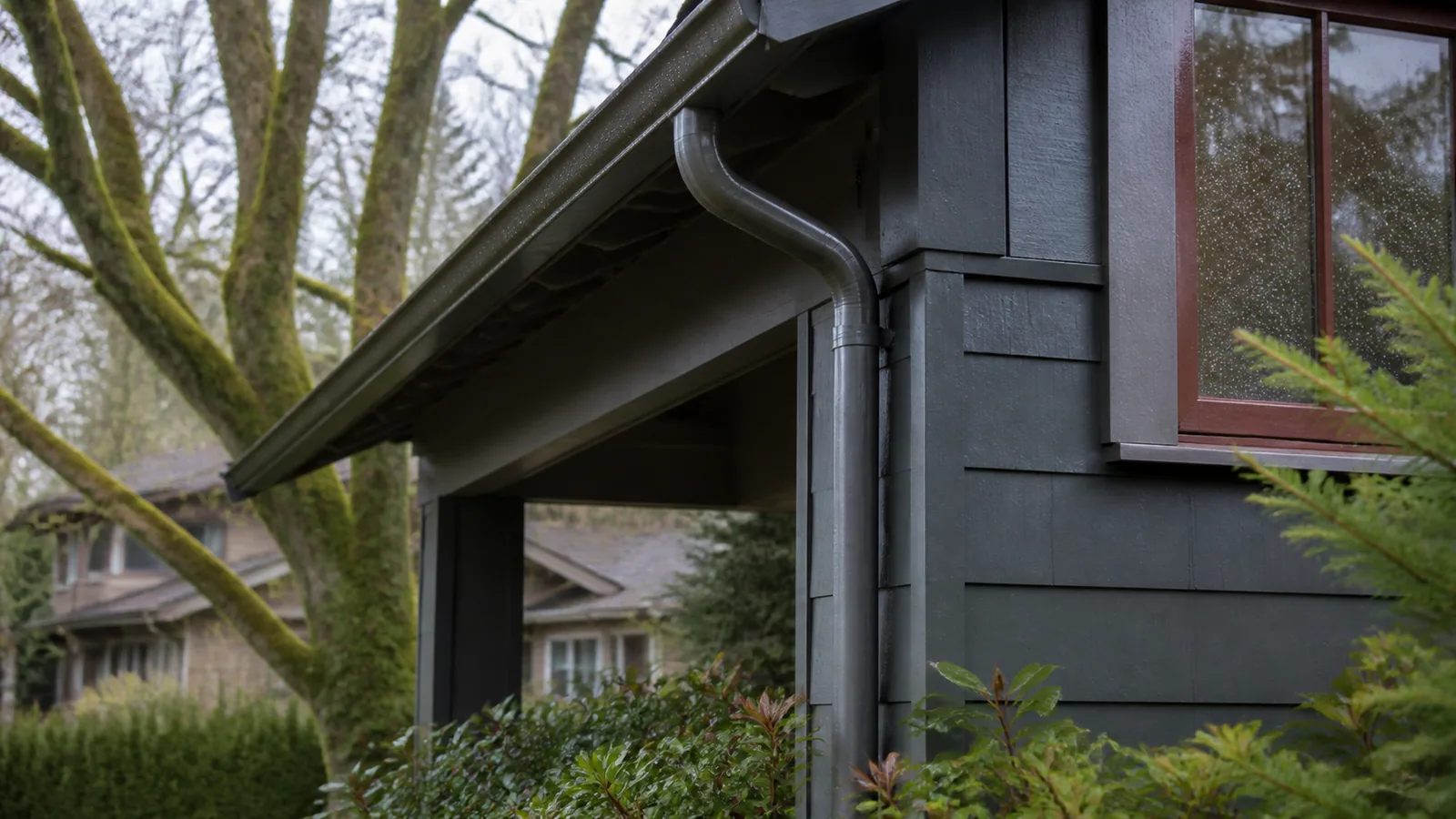
Vancouver homes spend much of fall, winter, and spring managing moisture. Clark County Public Health specifically points residents to leaking pipes, roofs, gutters, downspouts, basements, and crawlspaces as sources to correct. A brown ceiling mark may begin at a roof penetration, but it can also come from a supply line, shower enclosure, overflowing gutter, or condensation on a cold surface.
Building type changes the diagnosis. Downtown and Esther Short apartments may hide plumbing above a unit; older detached homes around Arnada and Shumway can have complex roof transitions and mature landscaping; newer homes toward Cascade Park and Fisher’s Landing may show moisture first at tightly sealed windows or an underperforming exhaust fan. These are starting points for inspection, not claims that every home in an area has the same defect.
A safe twenty-minute inspection
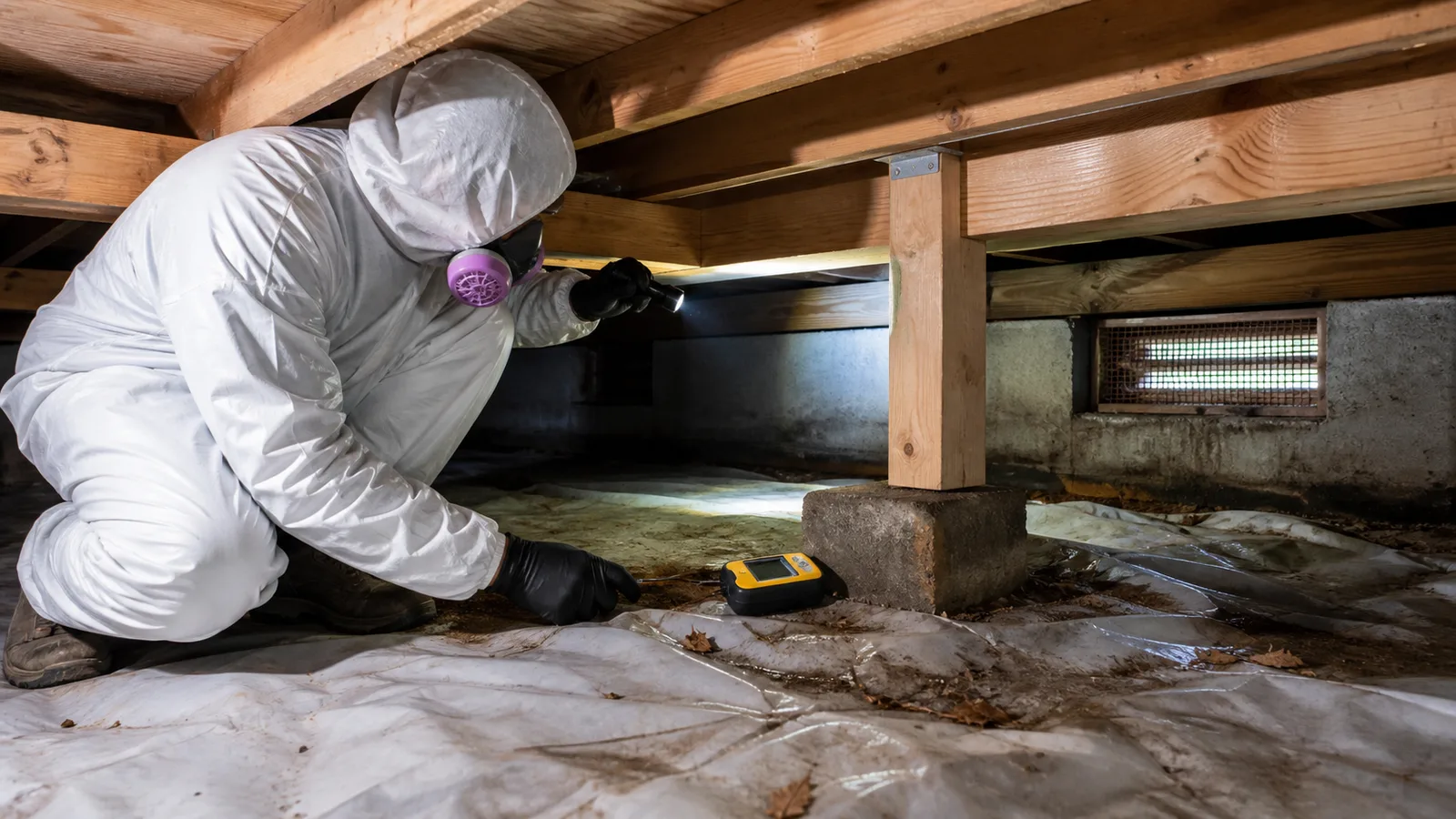
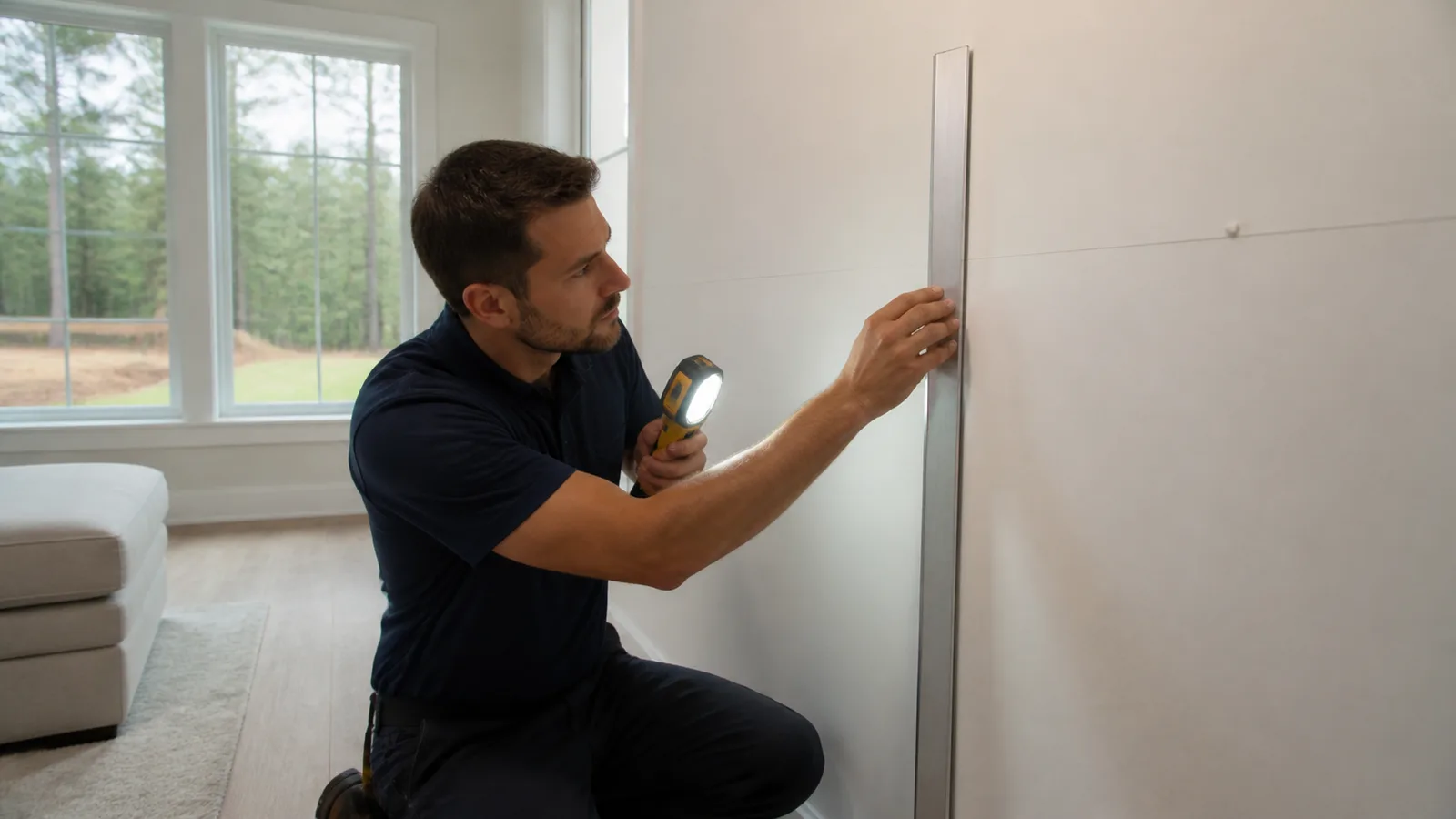
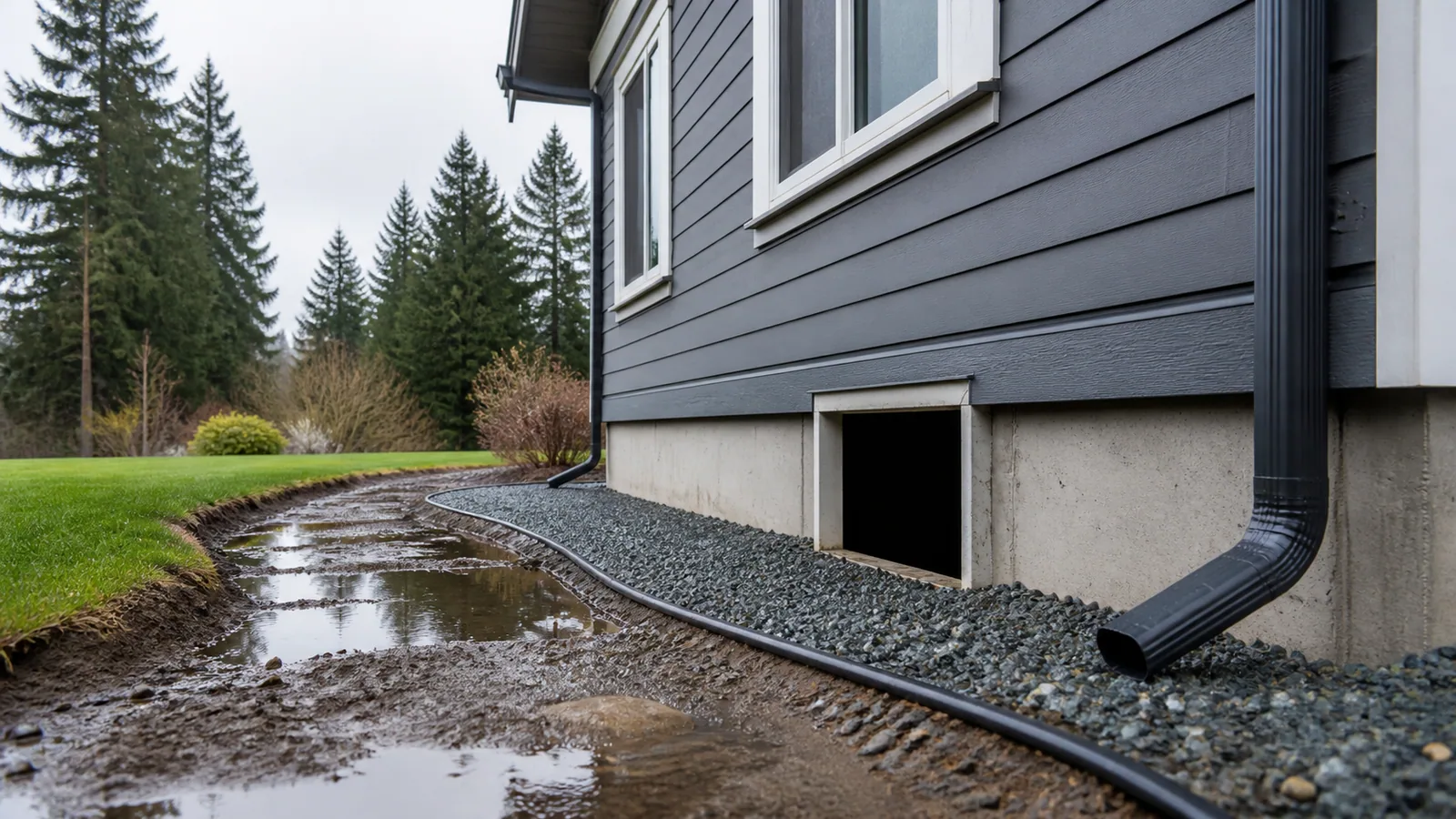
Start without opening walls. Photograph the stain, note whether it changes during rain or after fixture use, and check the room above. Look under nearby sinks, around supply valves, at the water-heater pan, and along exterior walls. Outside, inspect from the ground for overflowing gutters, disconnected downspouts, damaged flashing, and soil that sends water toward the foundation.
- •If active water is near wiring, stop using the circuit and call qualified help.
- •If a supply line is spraying, use the nearest shutoff or the home’s main shutoff.
- •Do not paint over damp drywall; document and dry the source area first.
- •After sewage or extensive flooding, avoid DIY cleanup and use appropriate restoration help.
Drying and mold prevention
Washington health guidance emphasizes fixing the moisture source and drying water-damaged materials quickly. Run working bathroom and kitchen exhaust fans, keep furniture slightly away from cold exterior walls, and make sure the crawlspace and attic are ventilated and insulated as designed. A dehumidifier can support drying, but it does not replace a plumbing, roof, or drainage repair.
For a small visible patch, follow state health precautions. A larger affected area, hidden growth, sewage contamination, or repeated return after cleaning calls for professional evaluation. Be wary of anyone who proposes only a surface treatment without tracing the water path.
What to include in a repair request
Send the city, neighborhood or nearest cross street, housing type, first date observed, whether the symptom tracks rain or fixture use, and clear wide and close-up photos. Ask the pro to separate investigation from repair and to state what is excluded. If the work crosses roofing, plumbing, electrical, or structural boundaries, verify the correct Washington registration or trade credential and confirm permits with the jurisdiction.
Homeowner questions
Should I paint over a dried water stain?+
Only after the moisture source is repaired, the assembly is dry, damaged material is assessed, and an appropriate stain-blocking finish is selected.
Does a musty smell prove there is mold?+
No. It is a reason to look for hidden moisture, but the source may be plumbing, roof, drainage, condensation, or another damp material.
When is professional help appropriate?+
Use qualified help for active leaks you cannot isolate, sewage, hidden damage, repeated moisture, large mold areas, or water near electrical equipment.
What photos help a contractor?+
Send a wide room view, close-up, the room above, nearby fixtures, exterior wall or roof area, and the same location during rain if safe.
Primary sources
Official requirements can change. Confirm the current rule for your address and project with the named authority.