Remodeling in Woodland’s Floodplain: A Homeowner Checklist
How floodplain review, elevation records, mechanical equipment, and permit timing change a Woodland remodel.
Source-reviewed homeowner guide
Quick takeaways
- ✓Use address-level floodplain review.
- ✓Find existing elevation records early.
- ✓Coordinate equipment and trade plans.
- ✓Allow time for review and corrections.
Confirm the parcel before designing the room
Woodland states that large portions of the city are in floodplain and directs residents to FEMA map panels and Community Development. Its permit FAQ says floodplain review applies to certain living-space, mechanical, and water-heater work, with affected areas mostly east of I-5; other areas may be protected by the dike or outside the mapped 100-year floodplain. Only an address-level review can determine the requirement.
Do not use a nearby home, a real-estate listing, or the city name as proof. Gather the parcel, map panel, prior permits, elevation certificate if one exists, and any flood insurance requirements before final design and equipment orders.
Keep utilities and equipment in the plan
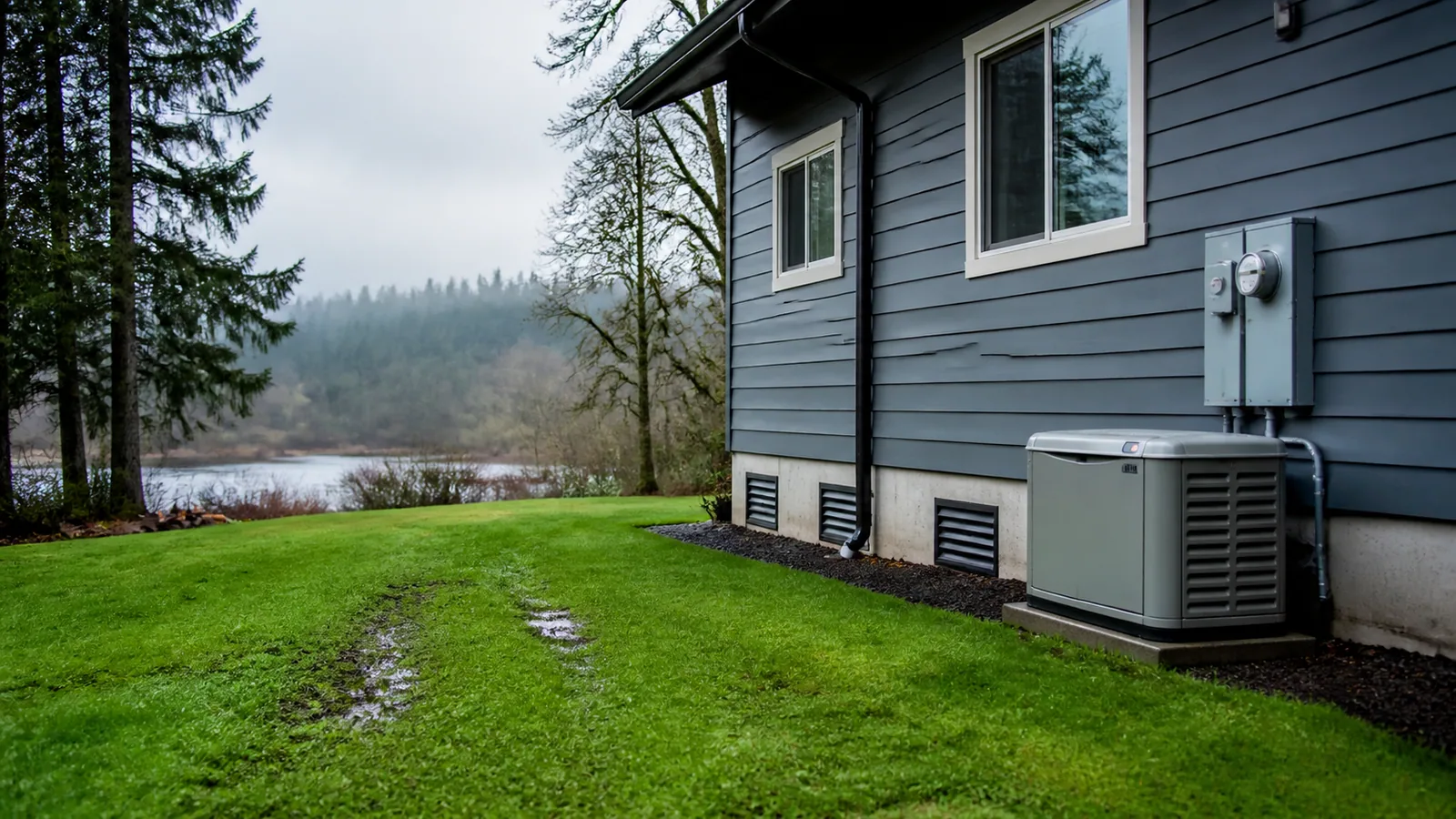
A remodel may move or replace electrical panels, HVAC, water heaters, outlets, plumbing, or ductwork. In a floodplain review, elevation and flood-damage-resistant details can affect where equipment goes and how it is anchored or protected. Coordinate structural, mechanical, plumbing, and electrical drawings rather than pricing each trade in isolation.
Woodland notes that floodplain review can add time to stand-alone plumbing or mechanical permits. Build review and corrections into the schedule instead of booking demolition around an optimistic start date.
Document existing and proposed elevations
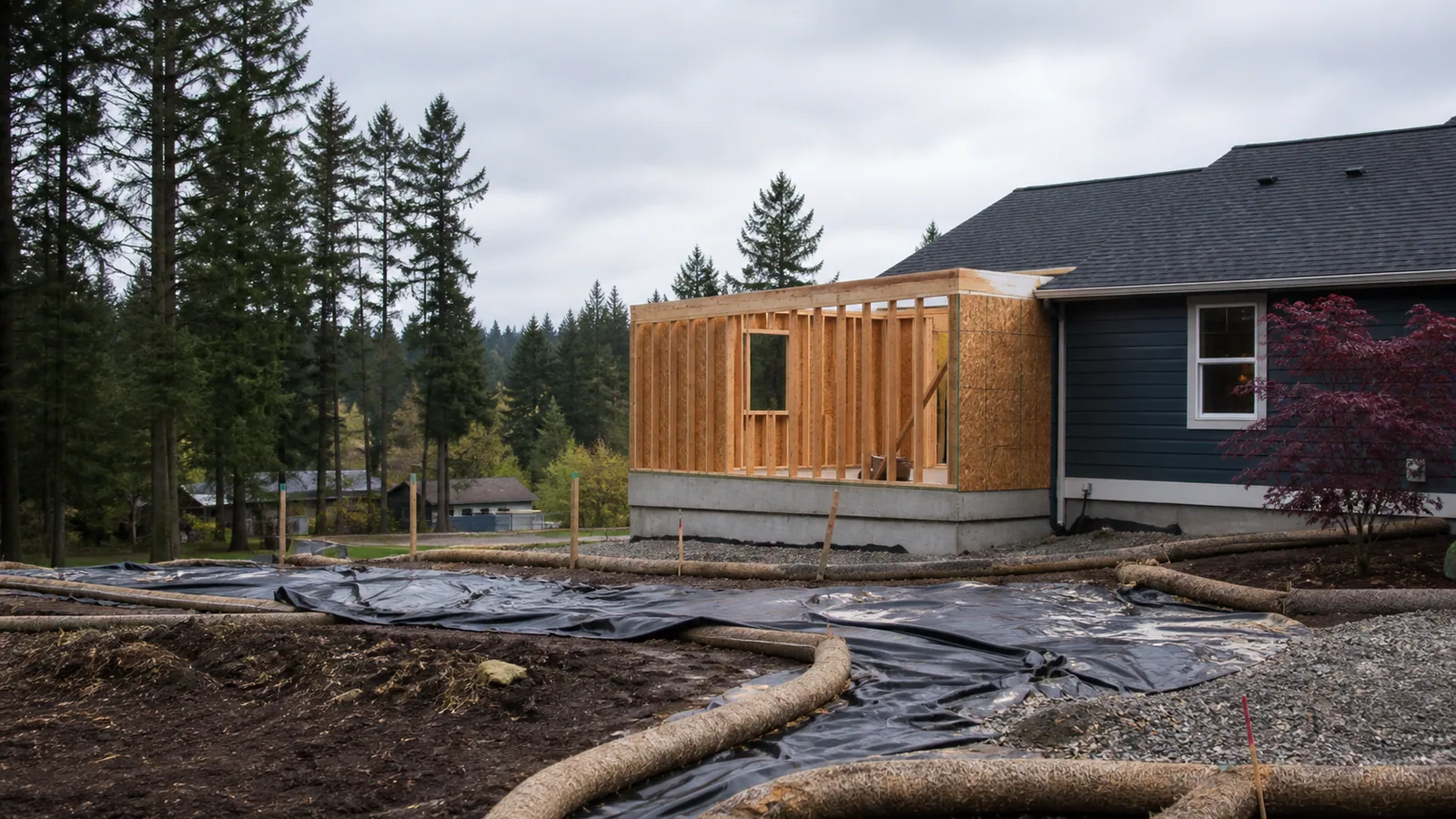
Use qualified survey and design help when the city requires it. Photographs are useful records but do not replace an elevation certificate. If fill, grading, an addition, or shoreline-related work is involved, ask staff about floodplain, shoreline, and other reviews before changing the site.
Near Horseshoe Lake, the Lewis River, downtown, Northfork Landing, and east of I-5, conditions and map status vary. The article names areas for orientation, not as a flood determination.
Bid and close the work responsibly
The written scope should assign permits, floodplain submittals, survey, engineering, trade inspections, corrections, debris handling, drying after weather exposure, and final documentation. Verify Washington registration and trade licenses. At completion, collect approved plans, final inspections, elevation documents, warranties, and photographs of concealed flood-resistant details.
Homeowner questions
Is every Woodland property in a floodplain?+
No. The city says large portions are, but status and review requirements must be confirmed for the specific parcel.
Can a photo replace an elevation certificate?+
No. An elevation certificate is prepared by a qualified professional and serves a different regulatory purpose.
Can a water-heater replacement trigger review?+
Woodland’s FAQ identifies water-heater and certain mechanical work among projects that may require floodplain review.
Should demolition start while review is pending?+
Avoid committing to regulated work before approvals and dependencies are clear. Review comments can change design, equipment, and schedule.
Primary sources
Official requirements can change. Confirm the current rule for your address and project with the named authority.